

-
 English
-
 Español
-
 Português
-
 Русский
-
 Français
-
 日本語
日本語
-
 Deutsch
-
 Tiếng Việt
-
 Italiano
-
 Nederlands
-
 ไทย
ไทย
-
 Polski
-
 한국어
한국어
-
 Svenska
-
 Magyar
-
 Bahasa Melayu
-
 বাংলা
বাংলা
-
 Dansk
Dansk
-
 Suomi
Suomi
-
 हिन्दी
-
 Filipino
-
 Türkçe
-
 Gaeilge
-
 العربية
-
 Bahasa Indonesia
-
 Norsk
Norsk
-
 اردو
اردو
-
 Čeština
-
 Ελληνικά
-
 Українська
-
 Basa Jawa
-
 فارسی
فارسی
-
 தமிழ்
தமிழ்
-
 తెలుగు
-
 नेपाली
-
 မြန်မာ
-
 Български
-
 ລາວ
ລາວ
-
 Latina
-
 Қазақша
-
 Euskera
-
 Azərbaycan
-
 Slovenčina
-
 Македонски
-
 Lietuvių
-
 Eesti
Eesti
-
 Română
-
 Slovenščina

Service Process
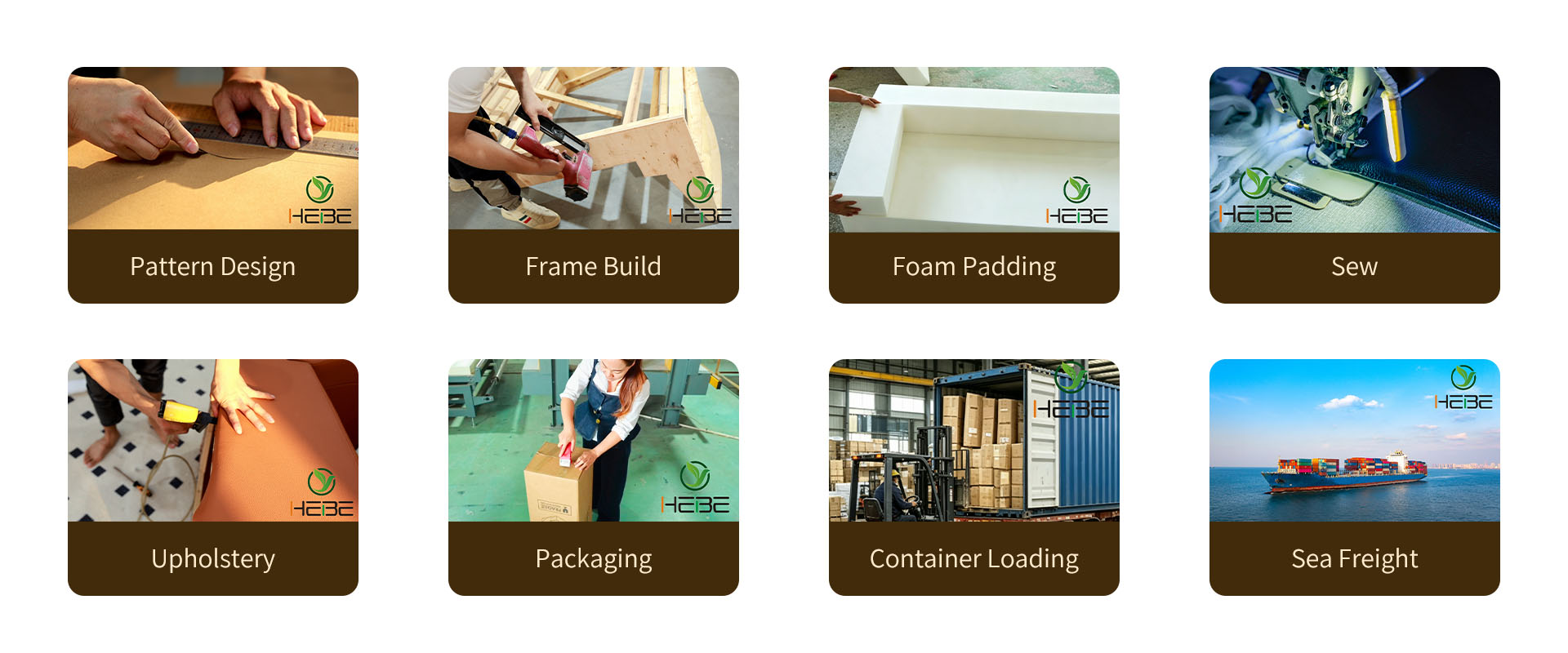
Customer Inquiry: Collect information on products (style/materials/sizes/colors/quANTITY/target price), shipping port, delivery time, and certification requirements.
Information Provision: Send product catalogs, quotes, material descriptions, packaging details, and production timelines.
Requirement Confirmation: Verify customization details, hardware, fabric/leather used, structure, LOGO design, and requirements for inspection/clearance documents.
II. Quotation and Sample Approval
Official Quotation: Include FOB/CIF/EXW terms, minimum order quantity, packaging costs, sample fees, lead time for mass production, and payment methods.
Sample Request: Confirm sample costs, sampling method, and timeline. Provide tracking number after samples are sent.
Sample Approval: Customer approves samples based on materials, craftsmanship, colors, and sizes. Both parties finalize the standards.
III. Contract Signing and Order Placement
Sign PI/Contract: Specify product name, quantity, unit price, total amount, payment terms, delivery date, inspection criteria, and dispute resolution procedures.
Payment Collection: Collect deposit (usually 30%) as agreed. Production order is issued once payment is received.
Order Details: Business, procurement, production, quality control, and logistics teams coordinate on drawings, materials, packaging, shipping marks, and delivery dates.
IV. Production and Progress Monitoring
Material Preparation: Purchase and store necessary materials like sheets, fabrics, leather, hardware, and foam. Produce goods according to order specifications.
Progress Tracking: Weekly updates on progress. Take photos/videos at key stages and share with customers.
Issue Resolution: Address any issues related to color discrepancies, size errors, or delivery delays promptly with solutions.
V. Final Inspection and Packaging
Internal Inspection: Check for stability of structure, accurate dimensions, proper painting/coating, seamless fabric joints, no scratches, and functional testing.
Customer Inspection: Allow third-party inspections by SGS/BV/ITS etc., following AQL standards.
Packaging and Shipping: Use protective corners, bubble wrap, cardboard boxes, wooden crates/pallets. Label items, count quantities, and prepare for shipment.
VI. Booking, Loading, and Customs Clearance
Shipping Arrangement: Confirm sailing date, bill of lading details, and container type (20GP/40GP/40HQ).
Loading Supervision: Verify quantities, take photos, and secure goods to prevent damage or misplacement.
Export Clearance: Submit required documents like bill of lading, invoice, contract, and customs declaration for clearance.
VII. Documentation and Final Payment
Documentation Provided: Bill of lading, packing list, commercial invoice, certificate of origin, fumigation certificate (if needed), and quality inspection reports.
Final Payment Collection: Collect remaining payment as agreed (per bill of lading/letter of credit).
Document Release: Issue electronic copies or send original documents upon receipt of final payment. Customer can then clear customs and pick up goods.
VIII. Customs Reminders and After-Sales Support
Delivery Notice: Inform customer of estimated arrival time and guide them through customs clearance, pickup, and inspection for any damages.
After-Sales Support: Respond within 24 hours for issues like damaged goods, missing items, or quality problems. Provide compensation, replacement, or refilling options.
Repetition Sales: Maintain customer database and promote new products, discounts, and return policies.
Naujausios naujienos
-
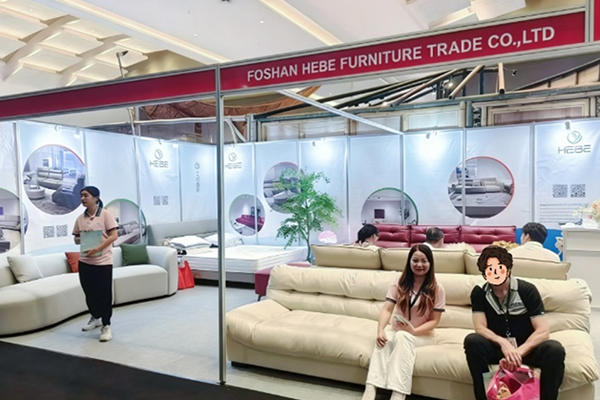 Foshan Hebe Furniture Debuts at IFMAC 2025 in Indonesia: Compression Furniture Technology Sets Off a Wave of Success in Southeast Asia 2026/04/16
In October 2025, the Indonesia International Furniture and Woodworking Machinery Exhibition (IFMAC) was grandly held at the Kemayoran International Exhibition Center in Jakarta.
-
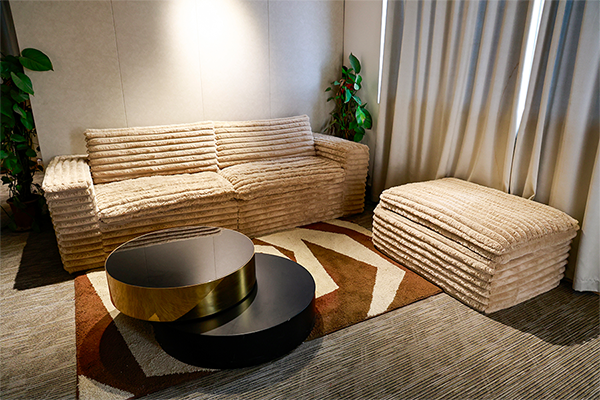 Foshan Hebe Furniture: Revolutionizing the Home Furnishing Industry with Compression Technology, Leading Change with Four Core Advantages 2026/04/16
As a pioneer of innovation in Foshan's furniture industry, Hebe Furniture stands out with its range of compressed sofas and beds. With four key advantages-space-saving, cost-effective, easy to install, and multifunctional-these products represent a model for efficient and convenient development in the industry, offering novel solutions for global home markets.
-
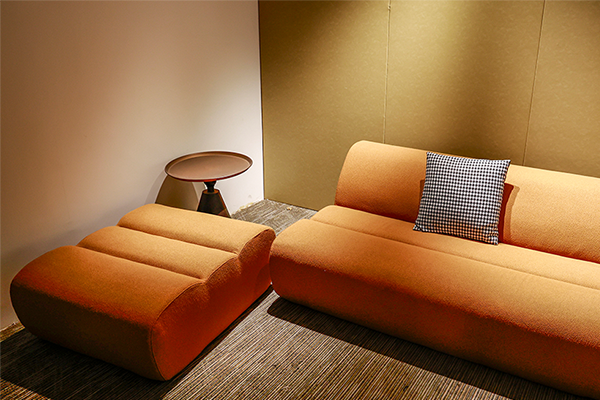 Foshan Hebe Furniture keeps up with the trend of industrial upgrading, leading the new home furnishing sector with its advantages in compressed furniture and cross-border operations 2026/04/16
By 2026, Foshan's furniture industry will enter a new stage of high-quality development characterized by standardized practices, brand enhancement, and global expansion. With the launch of the "Foshan Furniture" collective trademark and the implementation of five industry standards, the industry is shifting from focus on scale to improvement in both quality and efficiency. Leveraging the strengths of Shunde's home furnishing industry, Foshan Hebe Furniture Co., Ltd. follows industry trends, specializing in compressed and soft furniture. Through technological innovation, compliant manufacturing, and cross-border services, it has become a promising company in the industry.
-
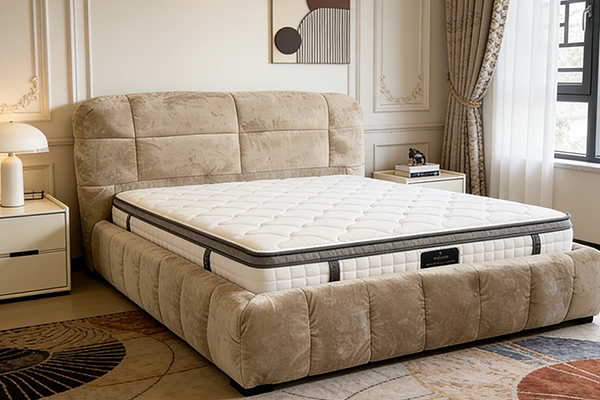 Foshan Hebe Furniture Launches Revolutionary Compression Fabric Bed on March 25, Transforming Home Transportation and Space Utilization 2026/04/16
On March 25, Foshan Hebe Furniture officially introduced its new compression fabric bed. Utilizing cutting-edge vacuum compression technology, this innovation overcomes the limitations of traditional bedding in terms of transportation and space efficiency, offering a highly efficient and convenient solution for the home furnishing industry.
-
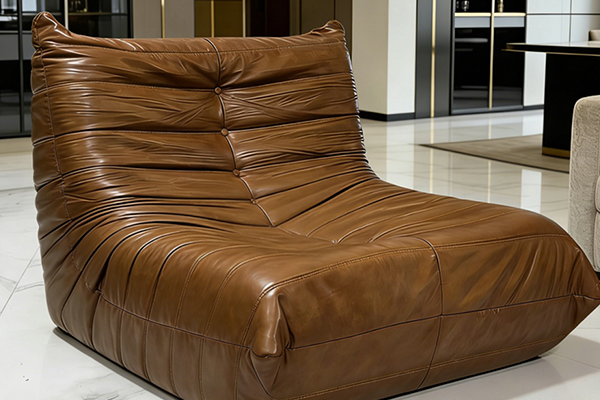 New Year, new innovations! Foshan Hebe Furniture introduces compressible leather sofas, ushering in a new era of home furniture logistics. 2026/04/16
On March 13, 2026, the Foshan furniture industry witnessed another technological breakthrough: Hebe Furniture officially launched its first innovative product of the year-the compressible leather sofa. As a leading brand in Foshan specializing in the research and production of soft furniture, Hebe Furniture has combined "leather" and "compression" technologies to overcome long-standing industry challenges related to the impracticality of transporting large leather furniture items. This innovation provides a groundbreaking solution for the high-end furniture market.
-
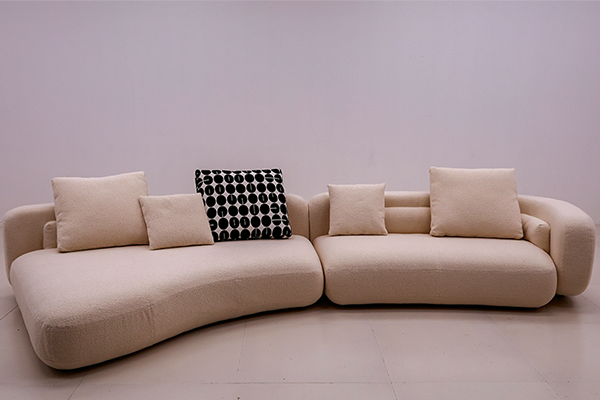 Craftsmanship in Foshan: Quality that Wins Globally - Foshan Hebe Furniture specializes in home furnishing production, empowering customers at home and abroad through innovation and excellent service. 2026/04/16
Recently, Foshan Hebe Furniture Co., Ltd., based in Shunde, Foshan-the capital of China's furniture industry-has continued to gain recognition from domestic and international clients thanks to its consistent quality, efficient delivery, and professional foreign trade services. The company has steadily expanded its market presence in areas such as soft furniture, collapsible furniture, and leisure furniture.